Osnovna škola Matije Gupca
MYP2 and MYP3 Field Trip to the Neretva Valley and Southern Dalmatia
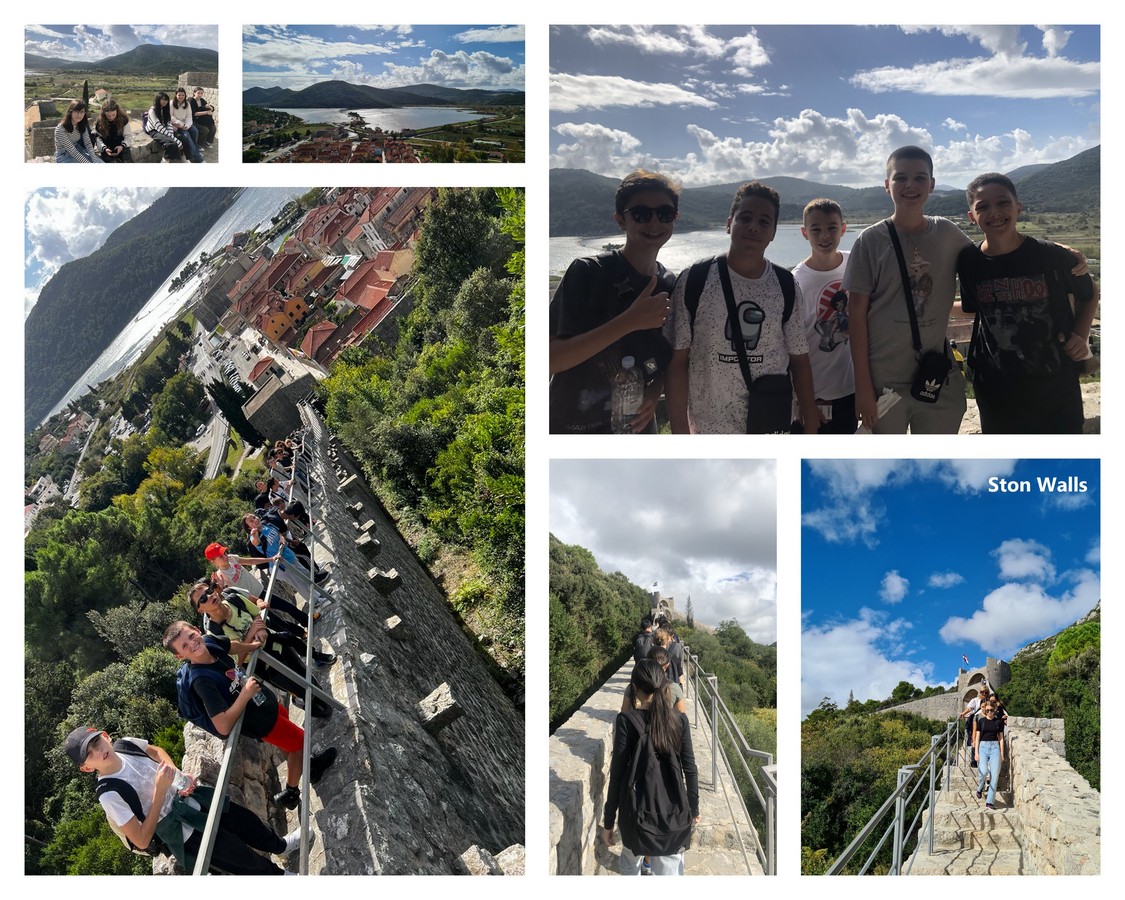
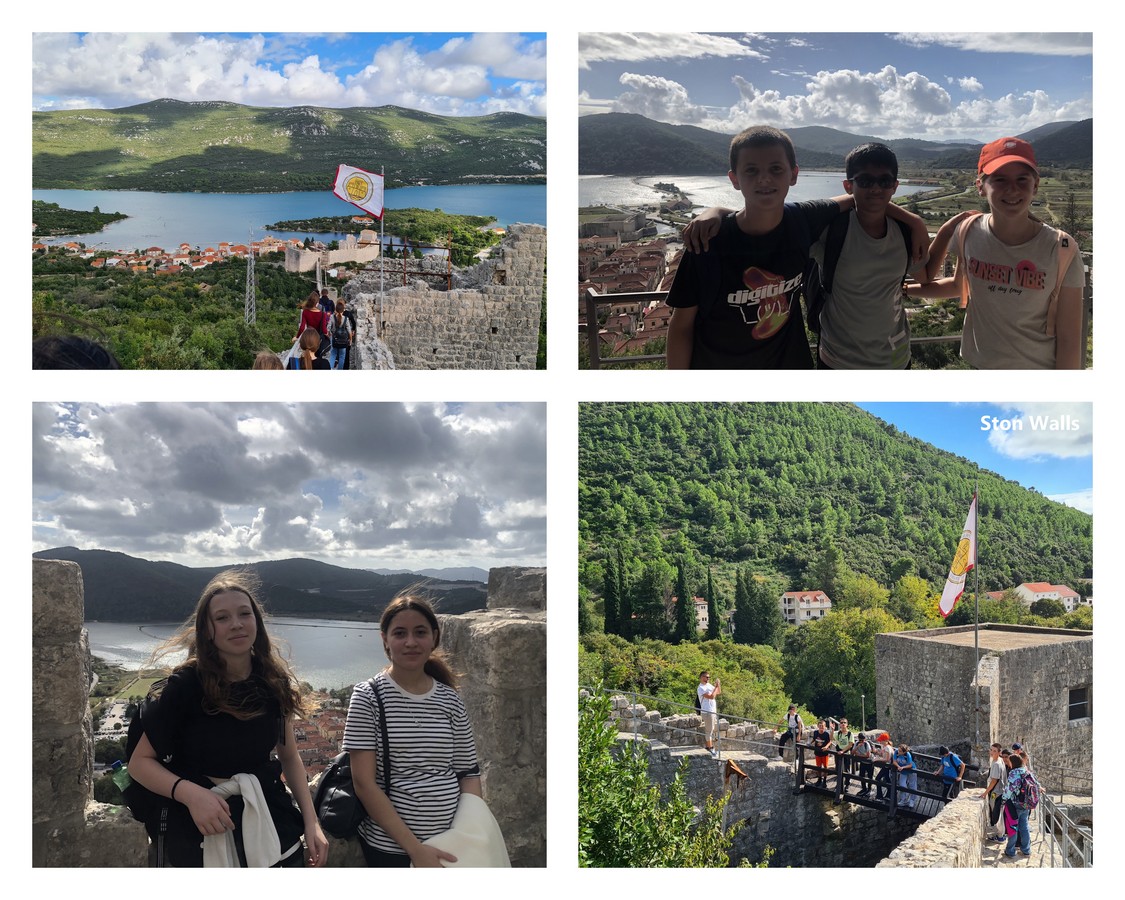
From October 24th until 27th we went on a four-day field trip to the Neretva Valley and Southern Dalmatia. During our four-day field trip we visited the Alka of Sinj Museum and Narona Archaeological Museum, enjoyed picking tangerines and riding in traditional vessels in the Neretva River Valley, took a walking tour of the Ston Walls from Ston to Mali Ston and visited the Knin Fortress. We were accommodated at the Valamar Meteor Hotel in Makarska.
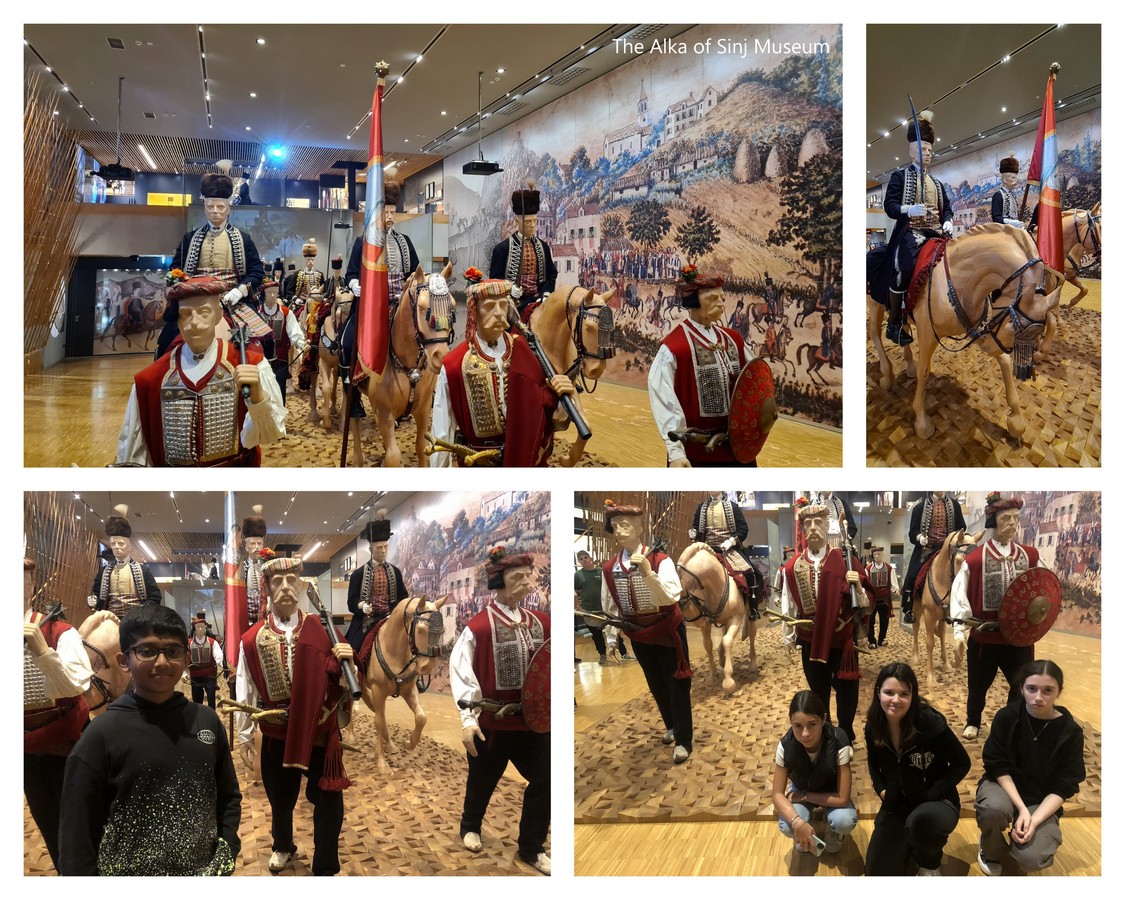
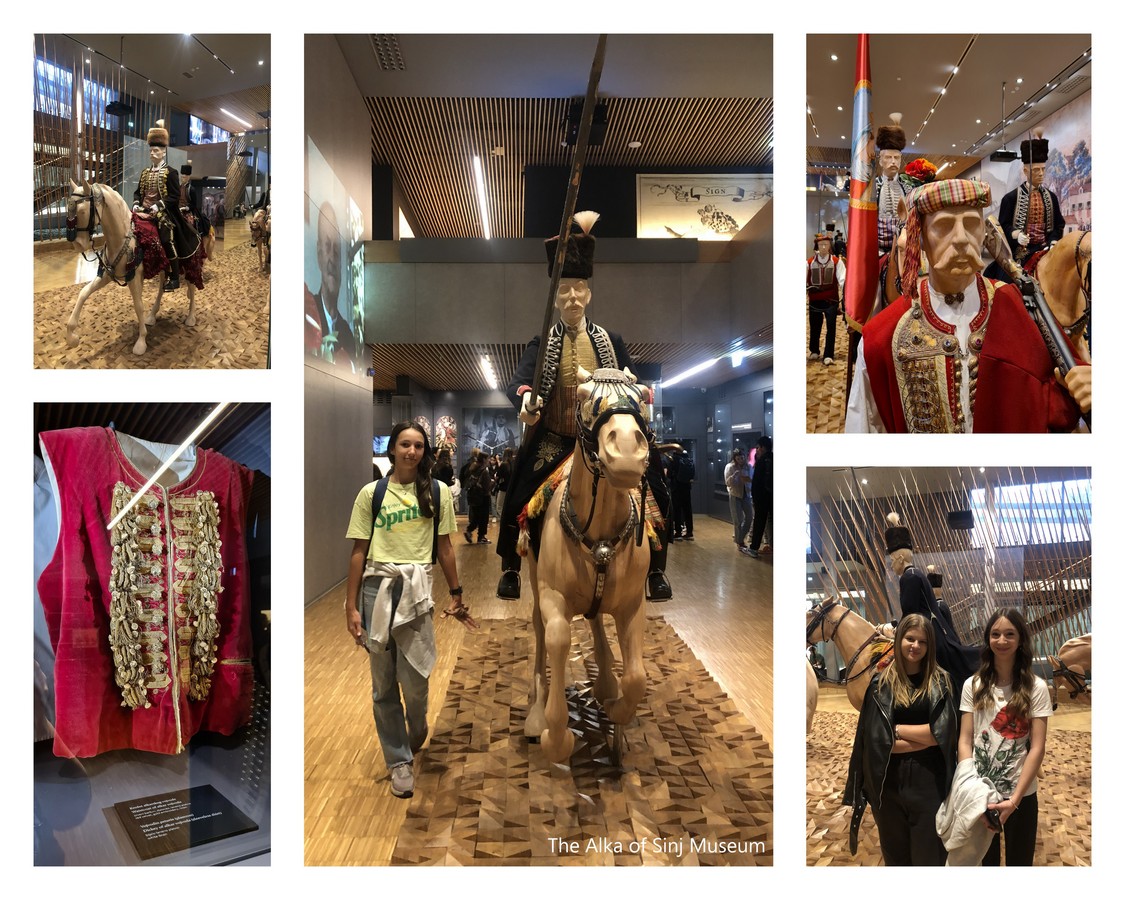
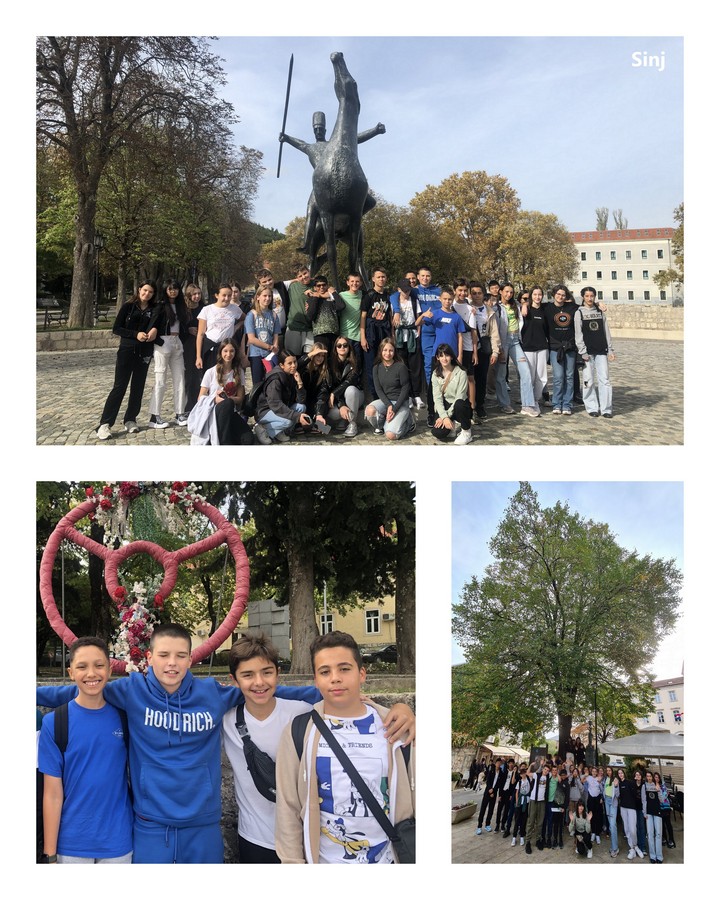
On the first day we visited the Alka of Sinj Museum that was dedicated to the annual knight tournament Alka. This museum is the winner of the European Union Award for Cultural Heritage. Alka of Sinj takes place every year at the first August weekend in the town of Sinj, on the anniversary of the victory over the Ottoman invader on August 14th, 1715. The tradition was inscribed on the UNESCO World Heritage List in 2010. At the museum we learnt about the clothing, equipment and weapons used through an interactive and multimedia exhibition space. We learnt that only men born in Sinjska krajina (town of Sinj and surrounding villages) can take part in the Alka, that the Duke of Alka (‘vojvoda’) is a ceremonial title representing the commander of the Alkars, that the Alka knights are all dressed in beautiful traditional costumes, the same that were worn by the warriors in the 18th century, that the name of the tournament derives from alka, the Turkish word for ring which is used in the tournament. Alka is made of two concentric rings connected with three bars apart. The contestant (called an alkar) rides his horse down the race track and tries to hit the central ring of the alka with his spear in a full gallop. The aim of the game is to collect as many points in three attempts, depending on which part of the alka he hits, the alkar receives from 1 to 3 points, where bottom segments are worth 1 point, top segment is worth 2 points, and the central ring is worth 3 points. After visiting the museum, we had lunch where we had traditional meal ‘sinjski arambaši’.
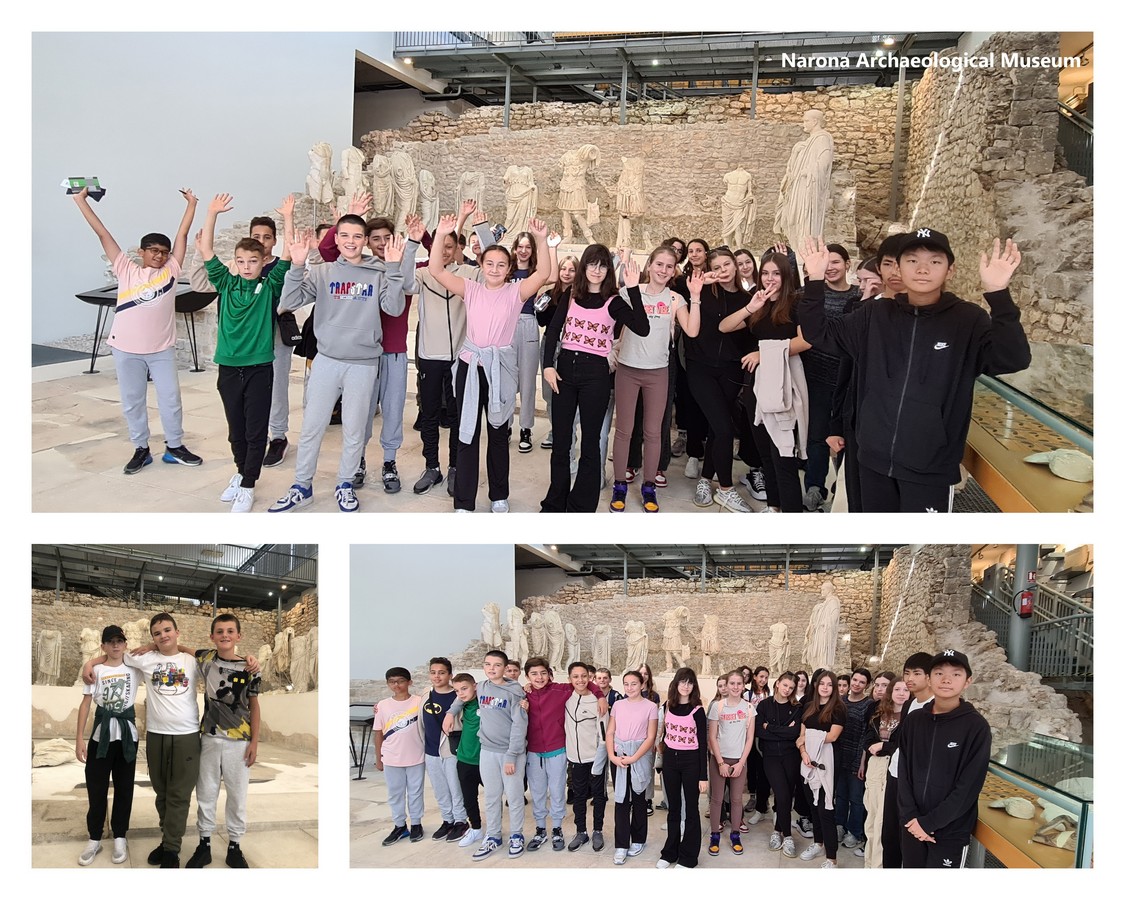
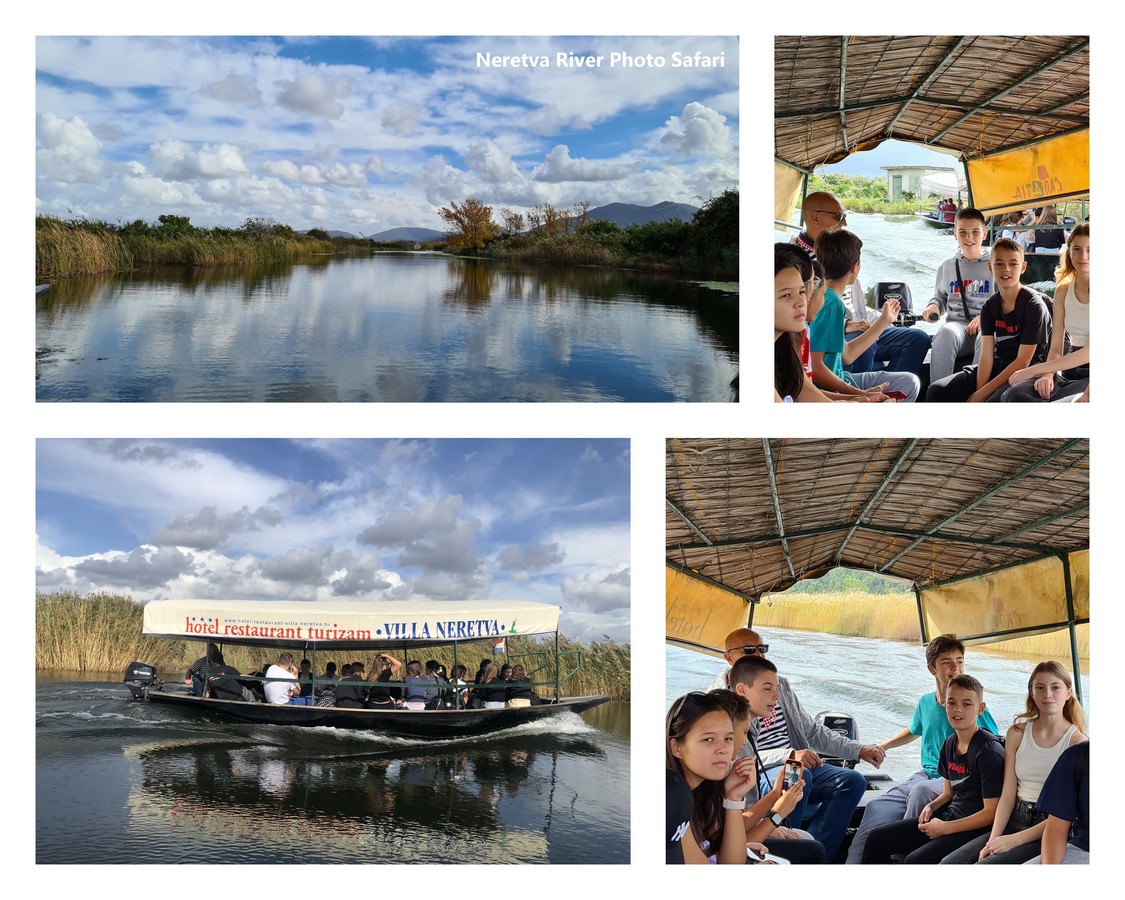
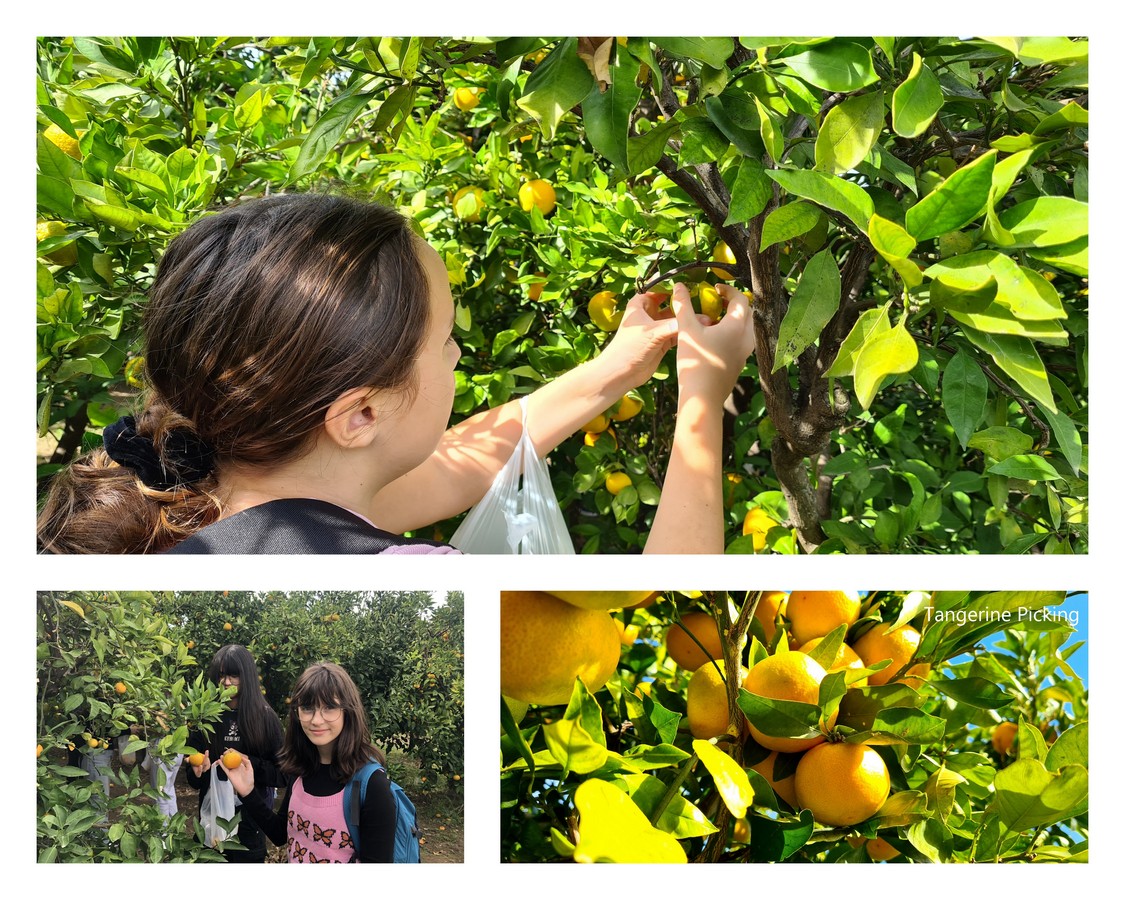
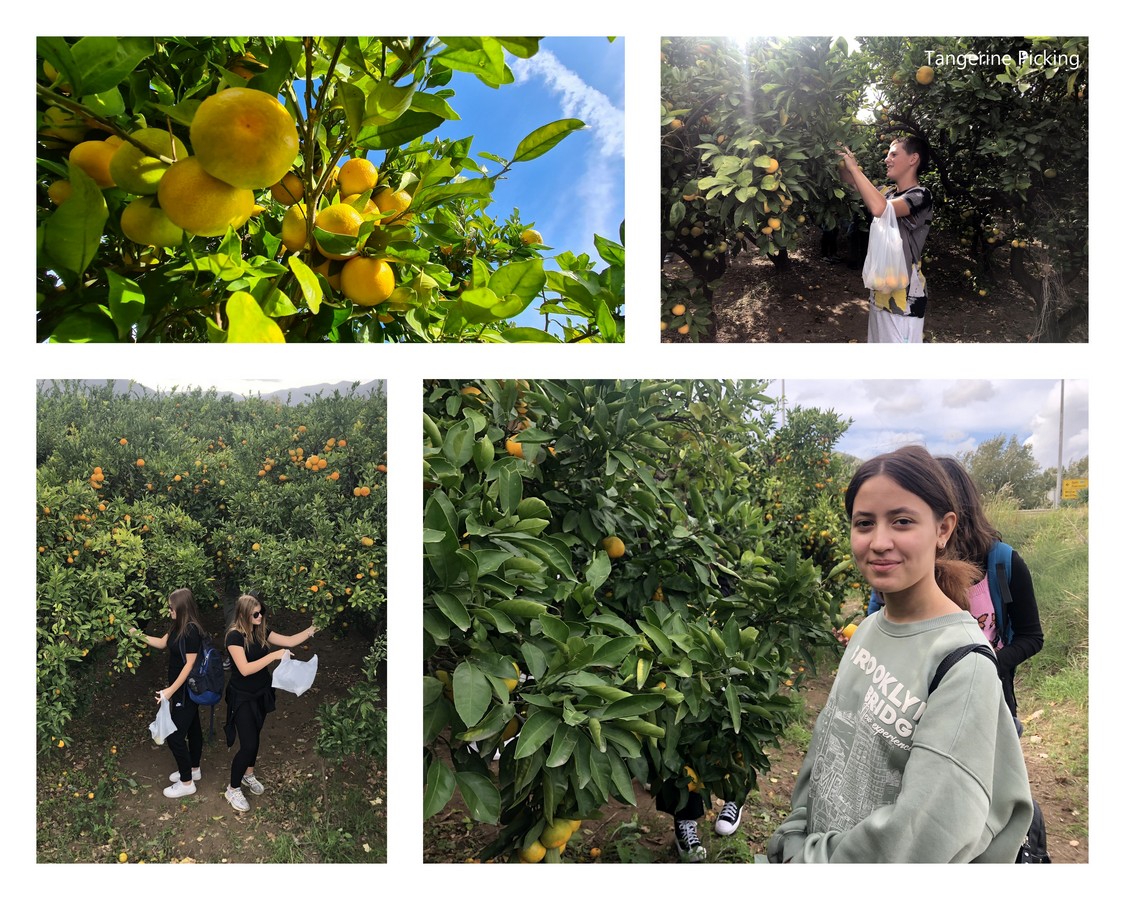
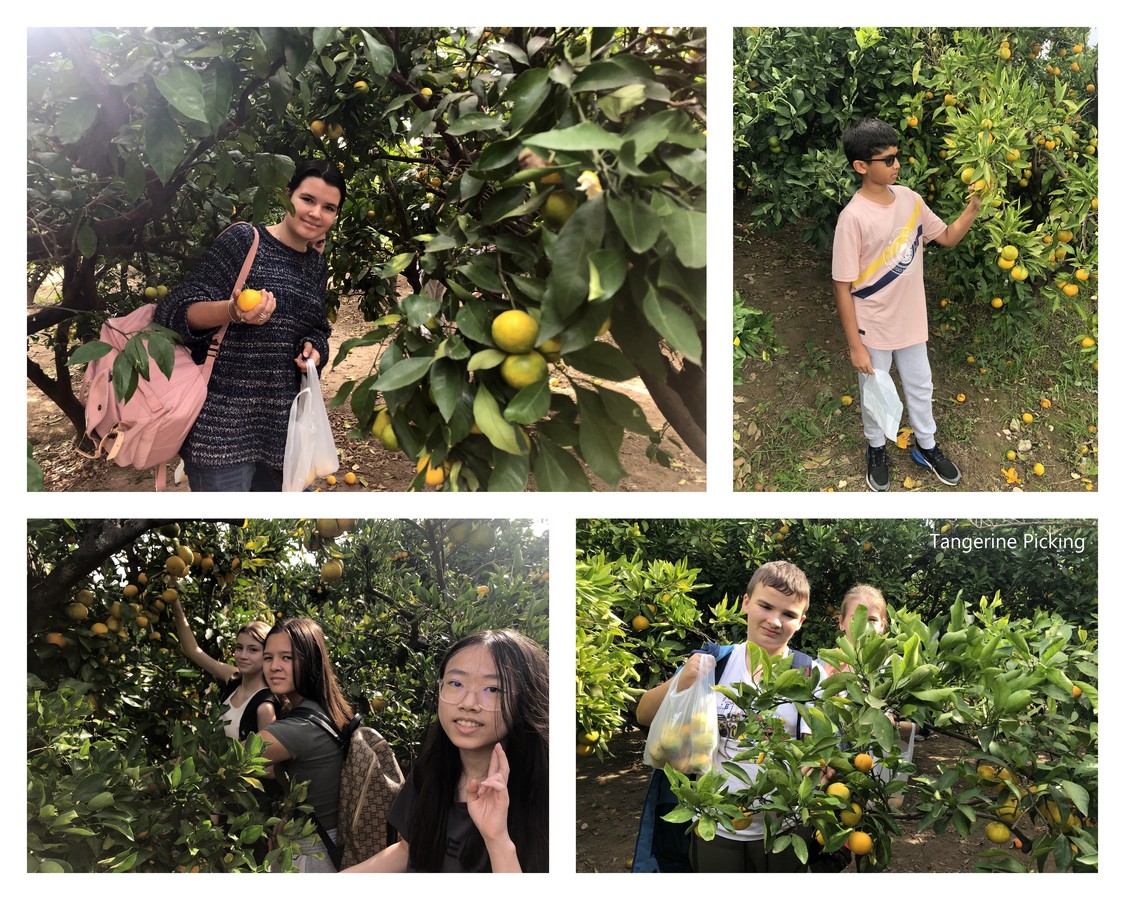
On the second day we visited the Narona Archaeological Museum, an archaeological site with remains of a Roman temple and 17 marble statues. We got to know the way of life of this region in Roman times. This is the only museum in Croatia constructed at the site of a Roman temple. Our tour continued with the photo safari – a boat ride in the Neretva River Delta in traditional Neretva vessels. Afterwards we went picking tangerines in the Neretva Valley. We were amazed by the number of tangerine trees there.
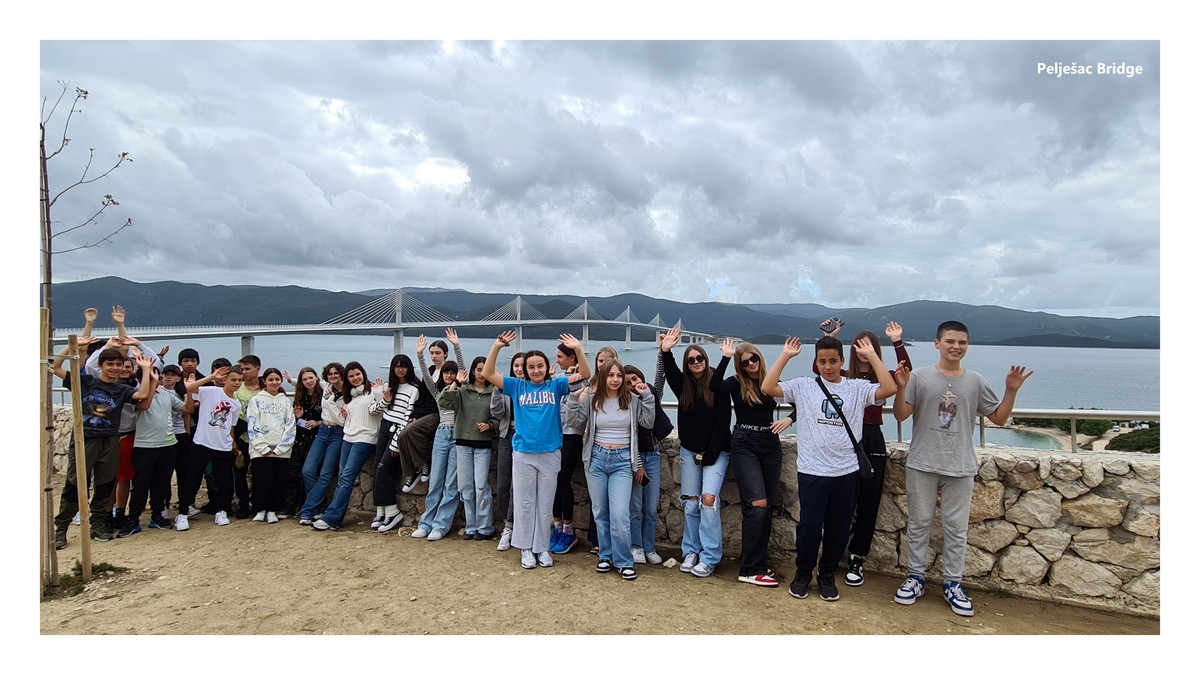
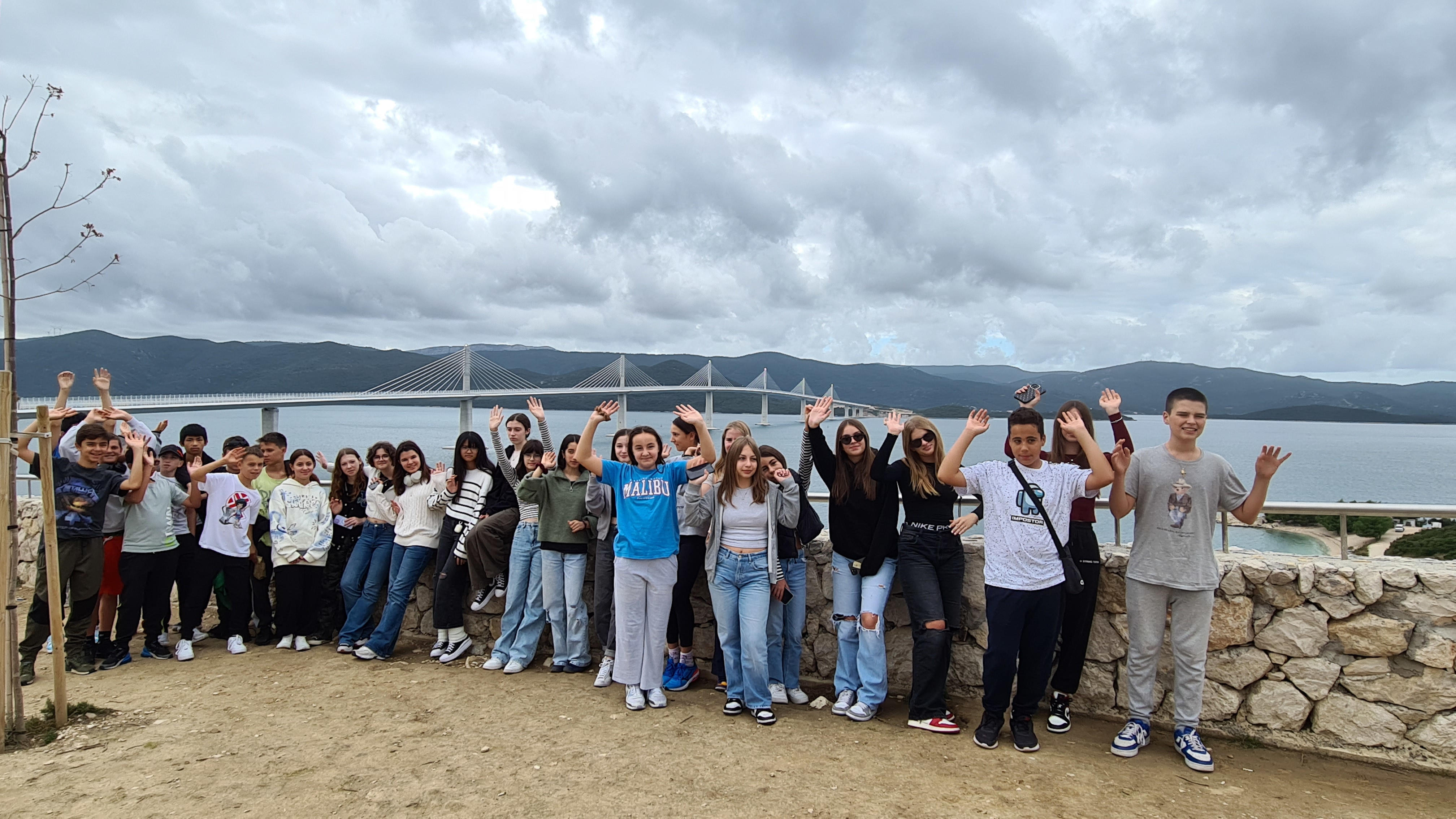
On the third day we visited the Pelješac peninsula. First, we saw the Pelješac Bridge that connects Komarna on the Croatian mainland with Brijesta on the Pelješac peninsula. The view of this cable-stayed bridge and its six pillars was spectacular.
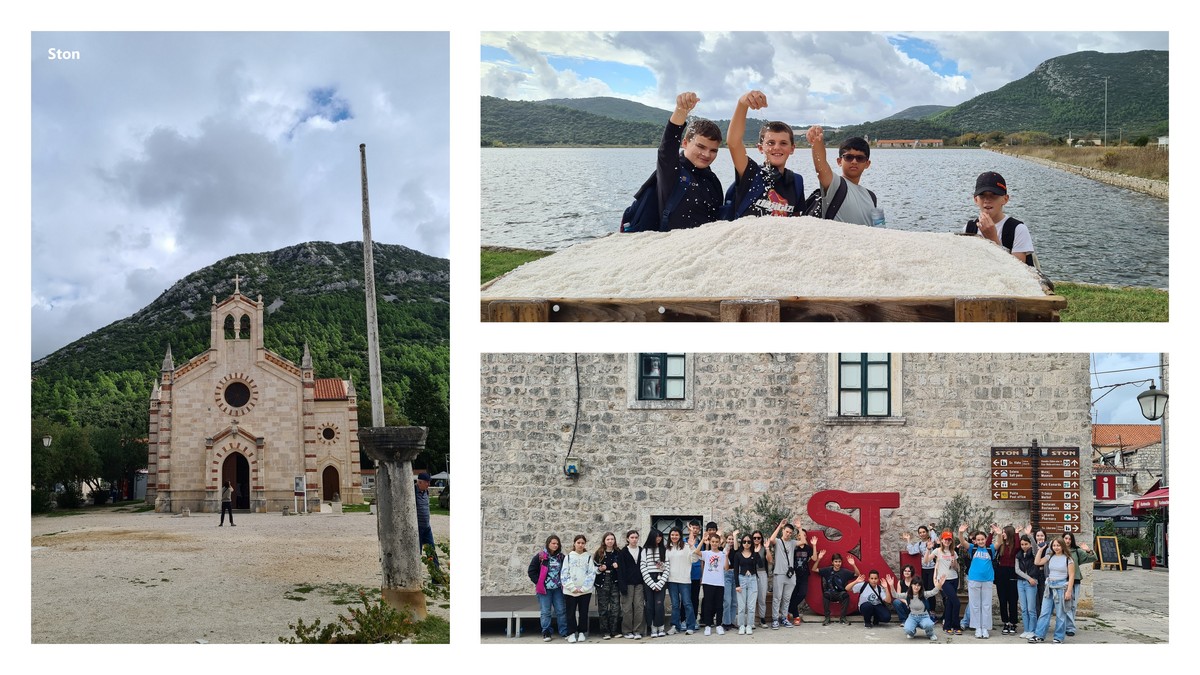
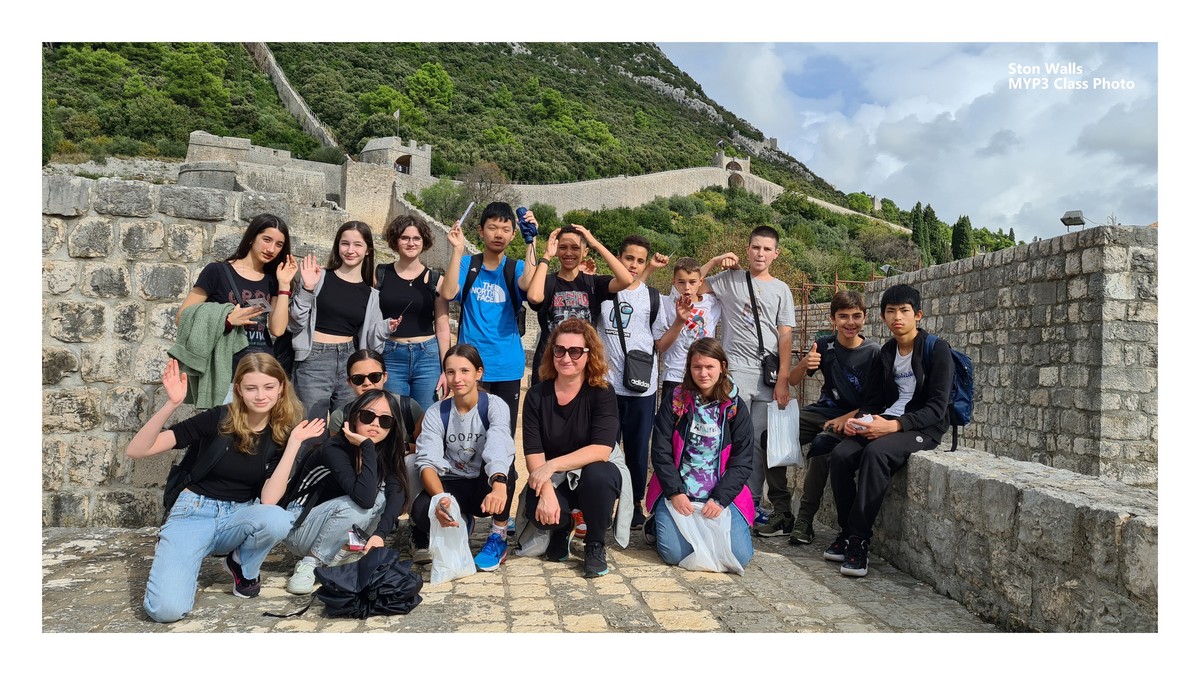
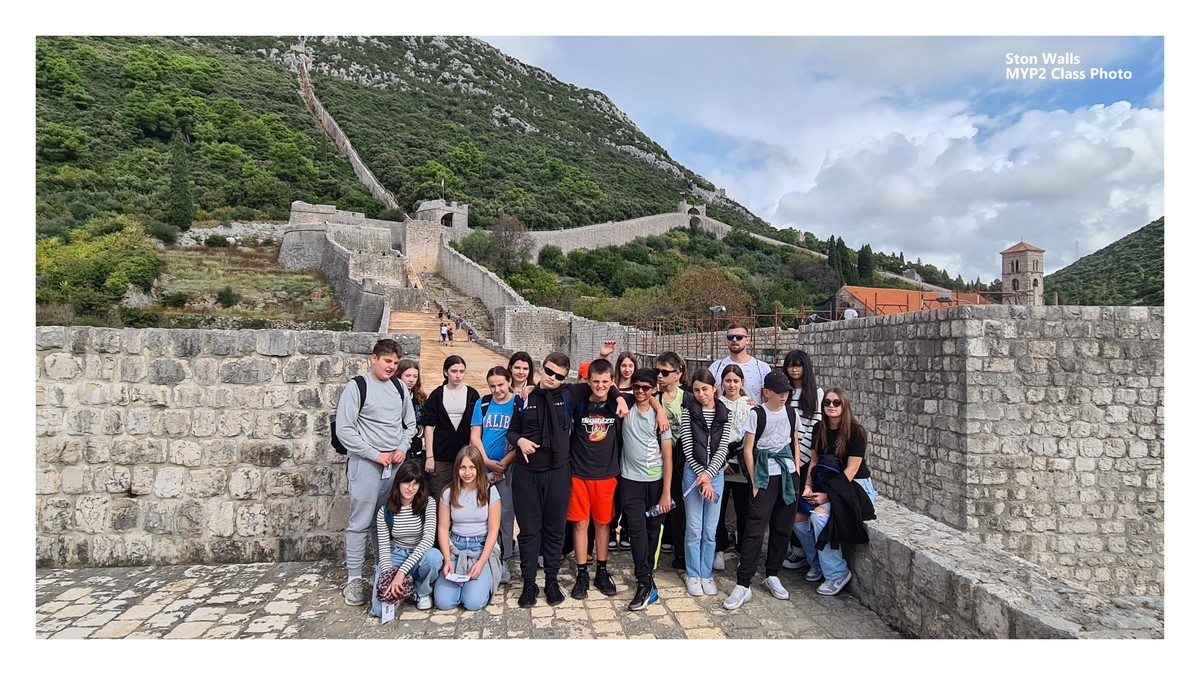
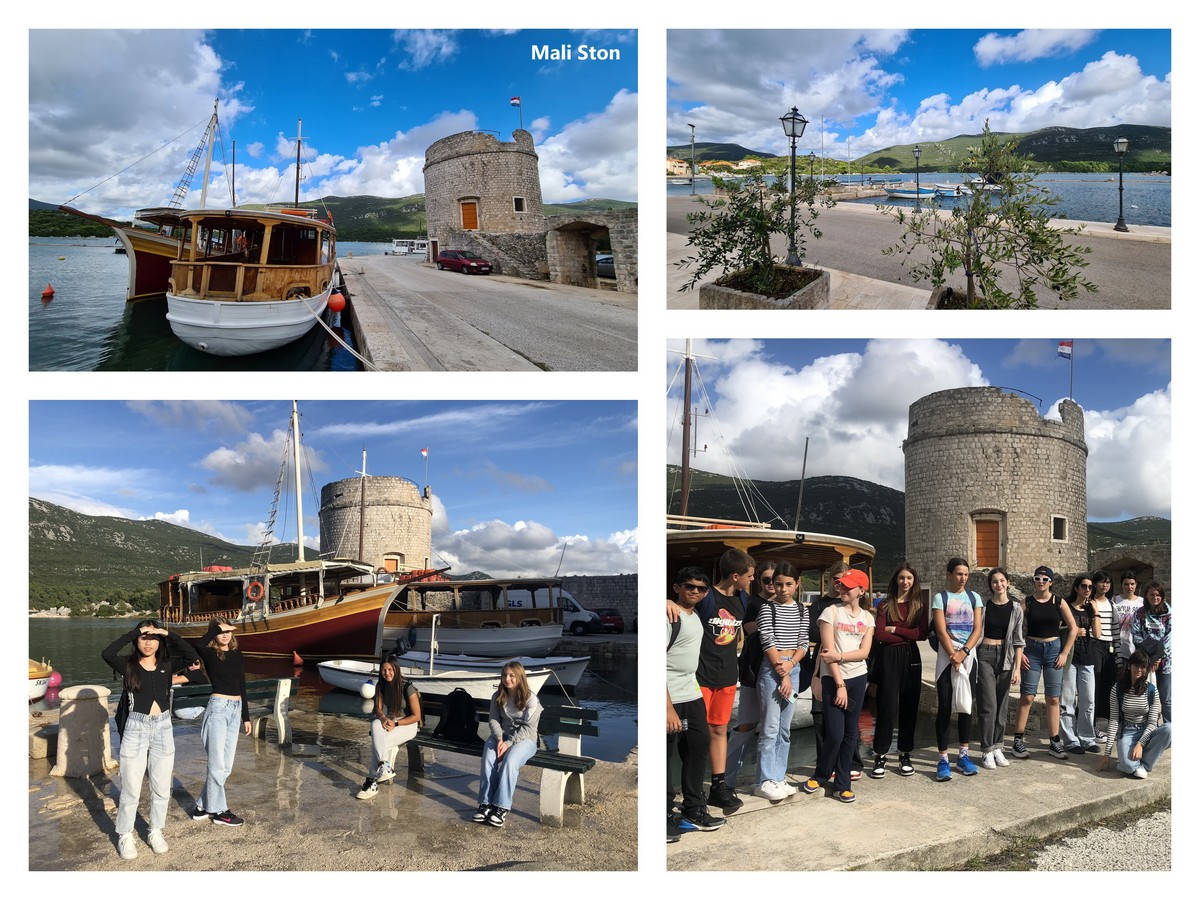
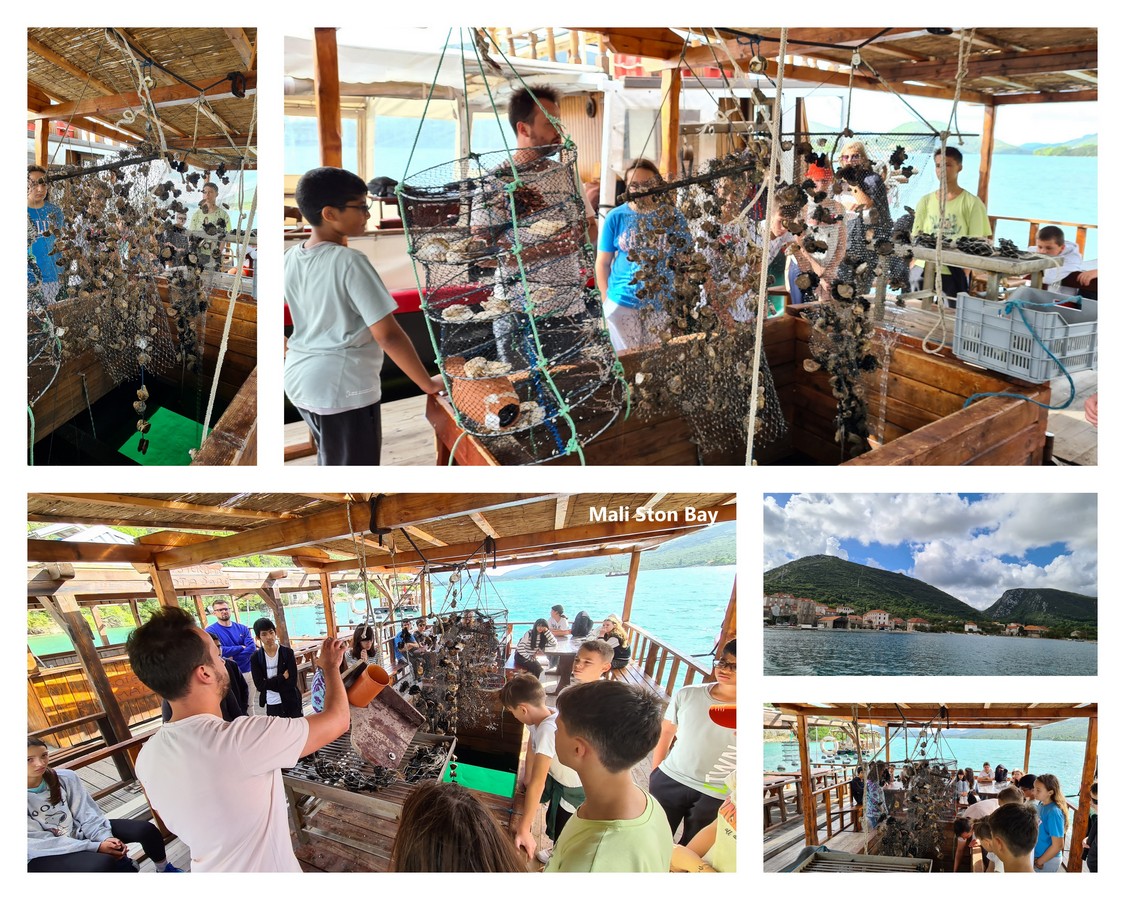
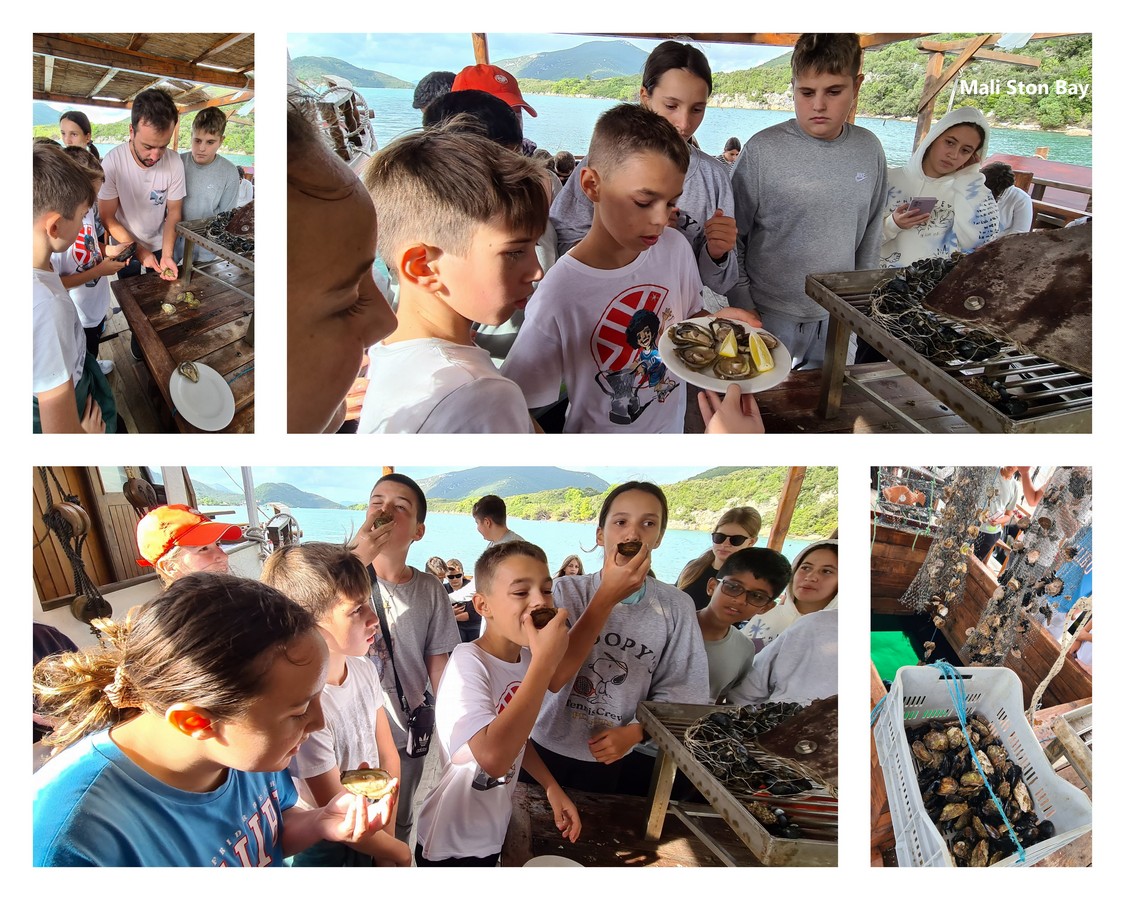
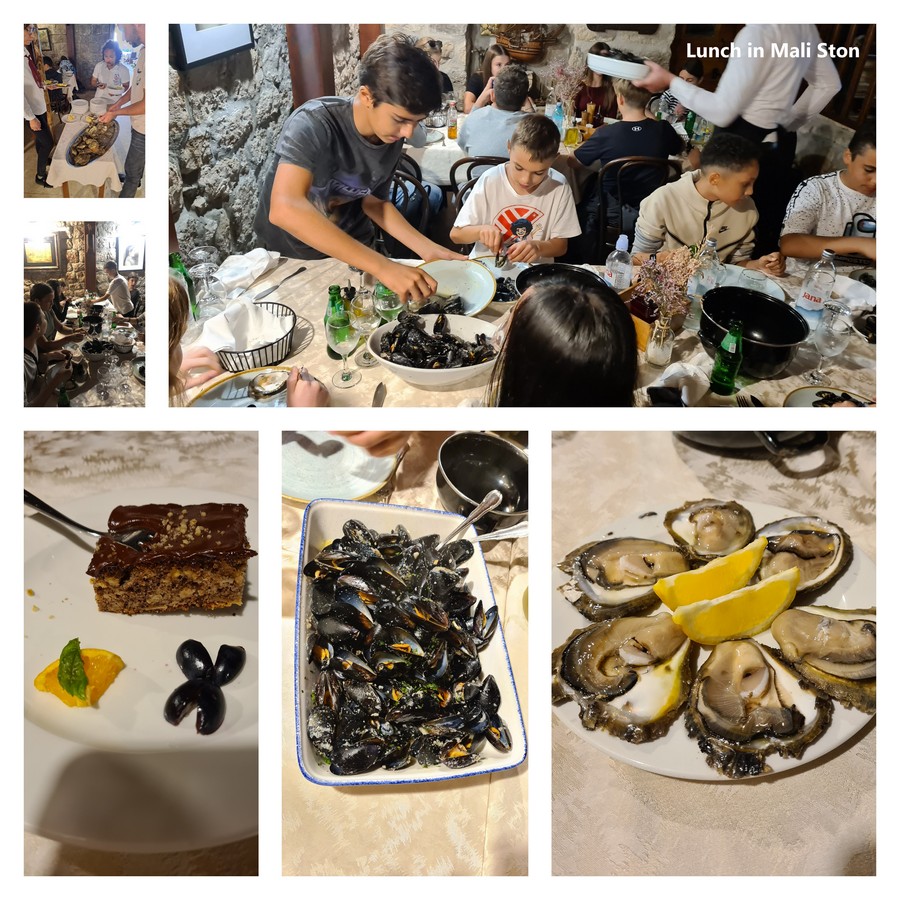
In Ston we visited the Ston salt work and the Ston Walls that were built in the 14th century to protect the salt fields and the Dubrovnik Republic. We walked the wall from Ston to Mali Ston. Most of the route was quite steep and narrow, but the view was spectacular. When we arrived to Mali Ston, we took a boat ride through the Mali Ston Bay and enjoyed the untouched natural beauty. The boat ride took us to the oyster beds where we had a small presentation on how oysters were grown and harvested. We had a chance to taste oysters as well. After the boat ride we enjoyed mussels, oysters and seafood risotto for lunch.
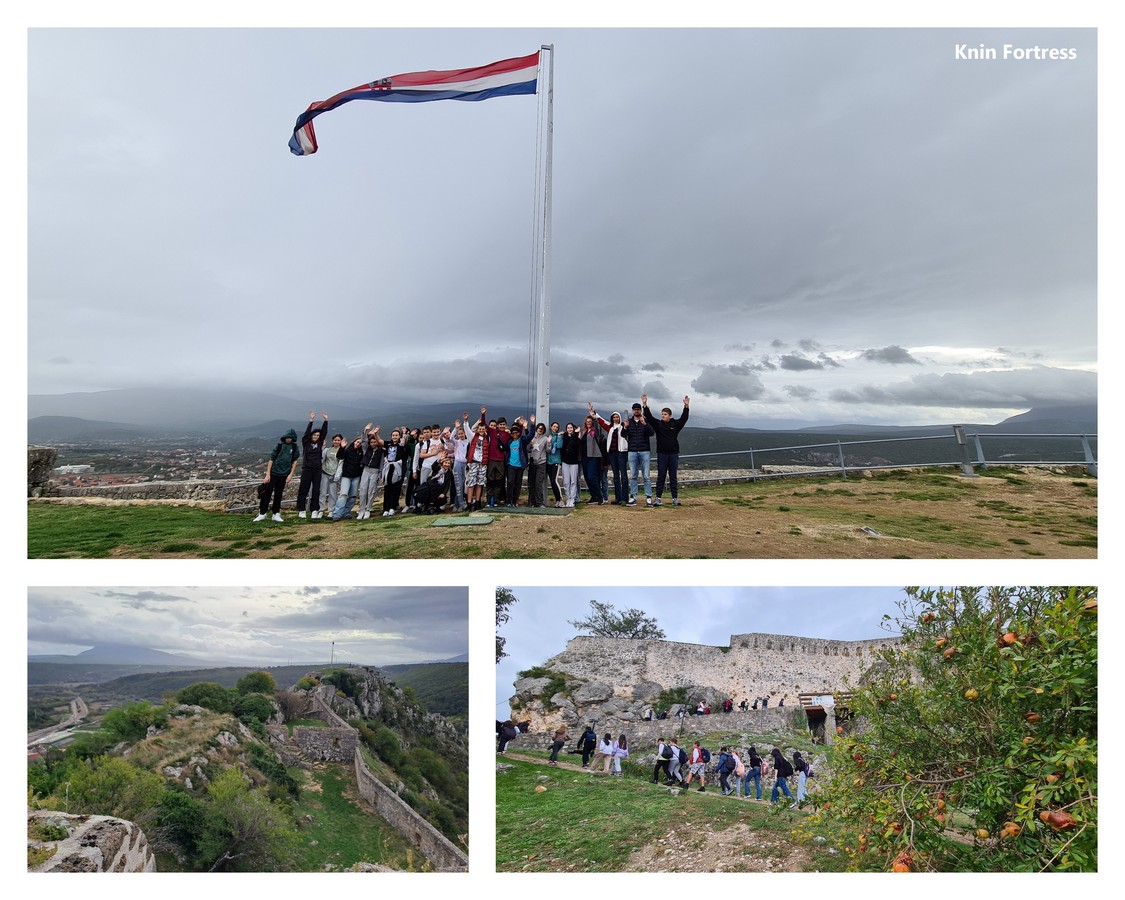
On the fourth day on our way back to Zagreb we visited the Knin Fortress, one of the largest and oldest European fortresses constructed in the 9th century.
We came back to Zagreb with vivid impressions. The combination of activities, beautiful nature, good weather, scenery and exploring makes this journey a unique and unforgettable experience for all of us.
Mayon (MYP Journalist Group)