Osnovna škola Matije Gupca
International Mother Language Week 2025

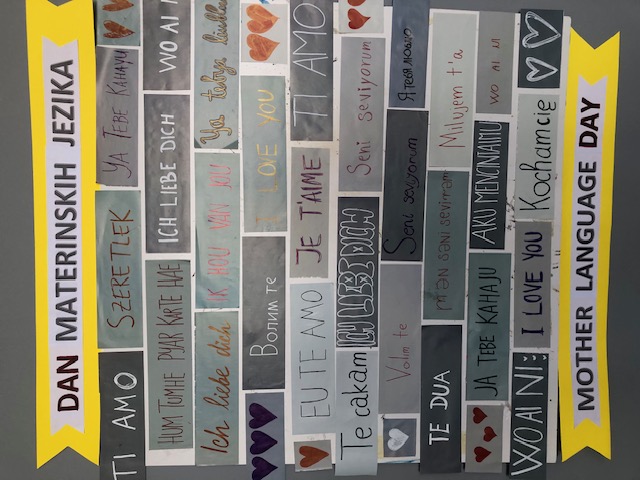
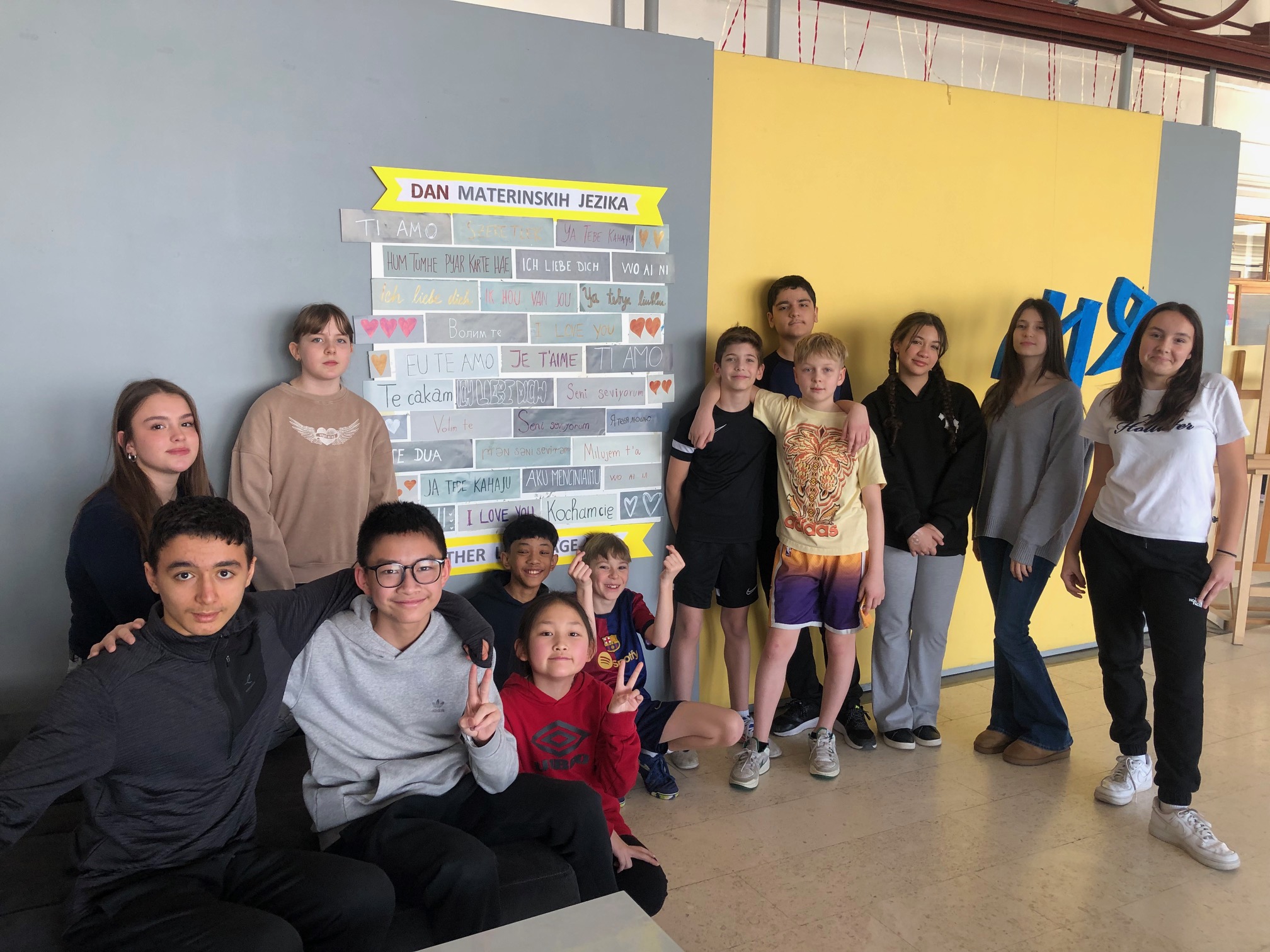
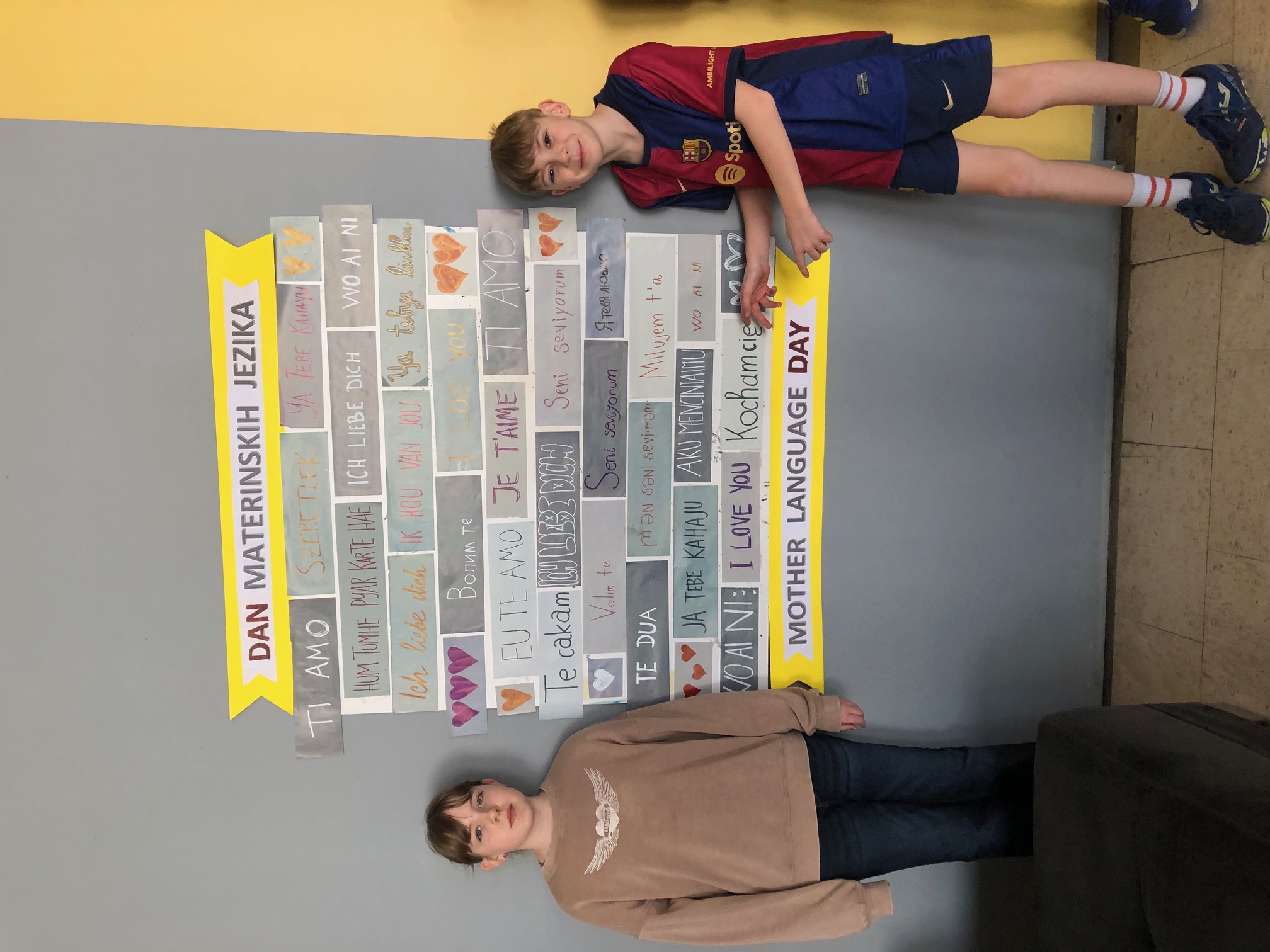
From February 17th to 21st, our school celebrated International Mother Language Day. This event was dedicated to promoting linguistic and cultural diversity as well as multilingualism. Throughout the week, we engaged in a variety of activities, including language workshops and cultural presentations that emphasised the importance of preserving our mother languages.
We have explored the diverse languages our students speak in our classrooms and discovered that 23 languages are spoken at MG, including Albanian, Azerbaijani, Chinese, Croatian, Dutch, English, German, Hindi, Hungarian, Indonesian, Italian, Kannada, Macedonian, Montenegrin, Persian, Polish, Portuguese, Russian, Serbian, Slovak, Turkish, Ukrainian and Xhosa.
Poland at MG
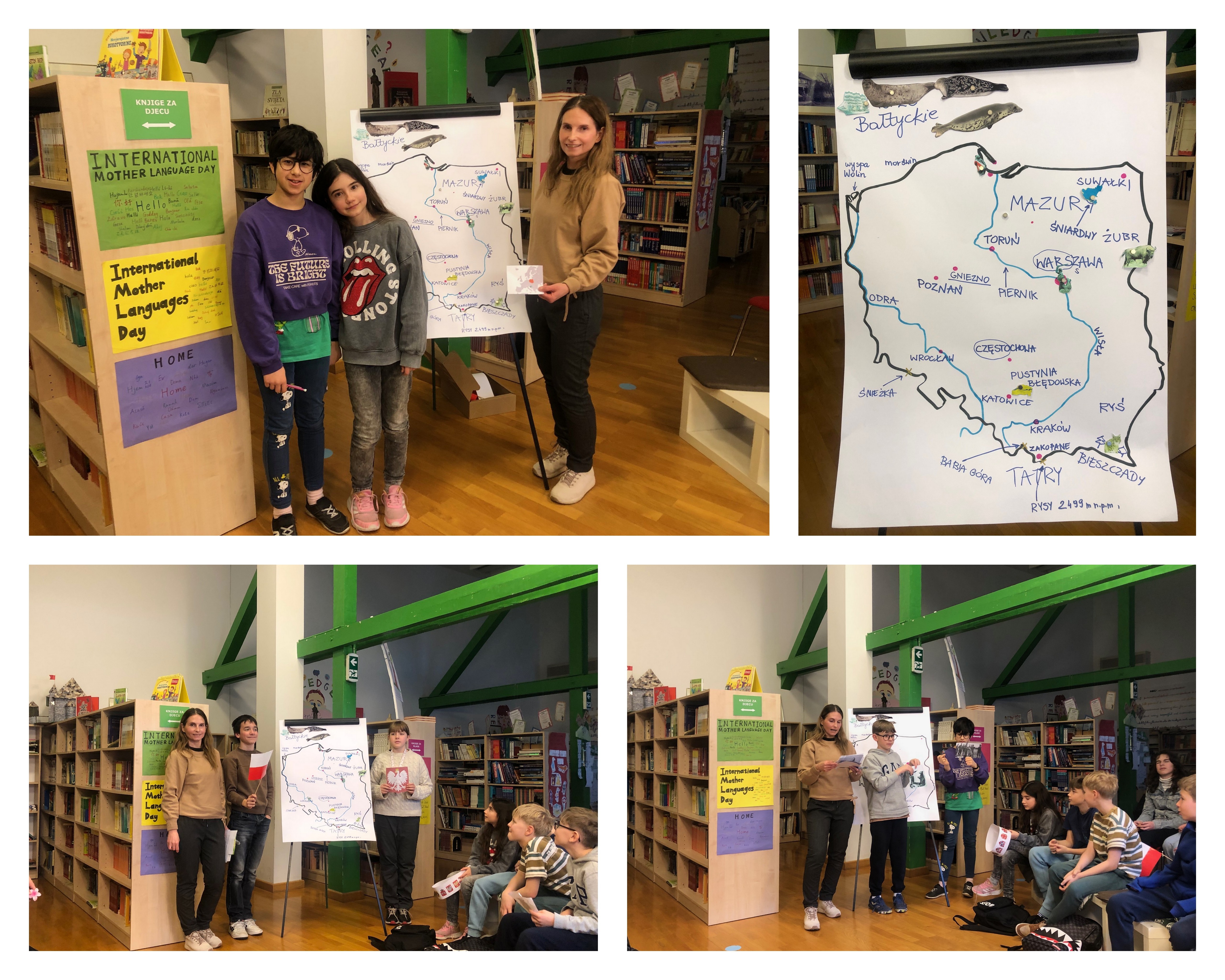
The celebration of International Mother Language Day started with an engaging workshop about Poland, led by Ms. Ania Polańska. This fascinating session provided us with insights into Poland’s geography, history, culture, traditions, and language. We discovered that Poland has one of the most diverse environments in Europe, featuring the Tatra and Carpathian Mountains, dazzling lakes, sandy coastline, and even the only Central-European desert. We explored the Polish alphabet, which consists of 32 letters, including 9 special characters and several double characters. Polish doesn’t contain the letters q, v, or x, distinguishing it from English. Polish is often ranked among the top five most challenging languages to learn due to its unique sounds and complex grammar. We also discussed famous Polish figures such as Marie Curie, Frederic Chopin, and Nicolaus Copernicus, whose contributions have left a profound mark on the world. We learnt so much and were particularly moved by the touching story of Wojtek, the bear that was adopted by the Polish army during World War II after losing his mother to hunters.
This interactive workshop expanded our knowledge and revealed so many fascinating facts about Poland. Each segment of the session was engaging, encouraging active participation and allowing us to explore various aspects of Poland that we were previously unaware of. We are very grateful to Ms. Ania Polańska for her dedication and expertise in leading this session, and for providing us with a valuable opportunity to learn and grow.
Tűrkiye at MG
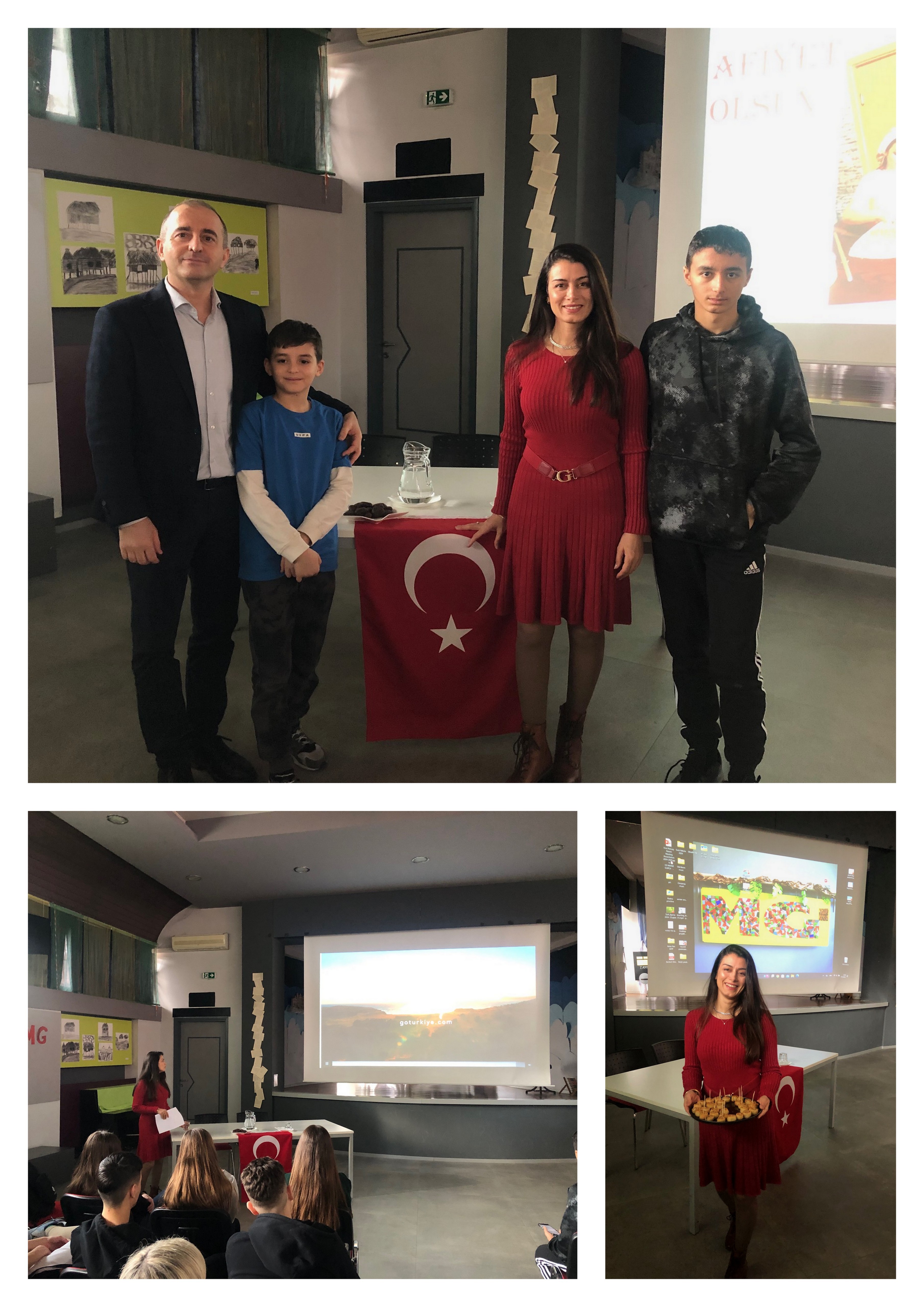
Through the wonderful presentation led by Ms. Nesrin Turhan and Mr. Kayhan Turhan, we gained valuable insights into Tűrkiye, a country rich in history and culture that offers a unique blend of East and West. The country's historical sites are numerous and varied, showcasing a timeline that stretches back thousands of years. From the ancient ruins of Ephesus to the rock formations of Cappadocia and the majestic Hagia Sophia in Istanbul, Tűrkiye is a treasure trove of archaeological wonders. Each monument tells a story of the great civilizations that have left their mark on this land, including the Hittites, Romans, Byzantines, Seljuks, and Ottomans, each contributing to the rich tapestry of Turkish history. Geographically, Tűrkiye has a unique geographic position sitting on two continents, Asia and Europe, although just 3% of its land is in Europe. Remarkably, it was one of the first countries in the world to grant women the right to vote. Another highlight of Tűrkiye is its traditional cuisine, which many food enthusiasts consider among the best in the world. We were also fascinated to explore the linguistic connections between Turkish and Croatian, discovering the surprising number of shared words that reflect the historical ties and cultural exchanges between two nations over the centuries. Moreover, we delved into the phenomenon of Turkish television series gaining immense popularity in Croatia and beyond. These shows, characterized by their engaging storylines and high production values, have captivated audiences and fostered a growing cultural connection between the two nations.
We would like to extend our heartfelt gratitude to Ms. and Mr. Turhan for this educational and enjoyable experience. It was a joy to learn about the diverse influences that have shaped Tűrkiye over the centuries and to appreciate its unique position at the crossroads of civilizations. We are inspired and eager to learn more, and we truly appreciate the time and effort they dedicated to sharing their knowledge with us.
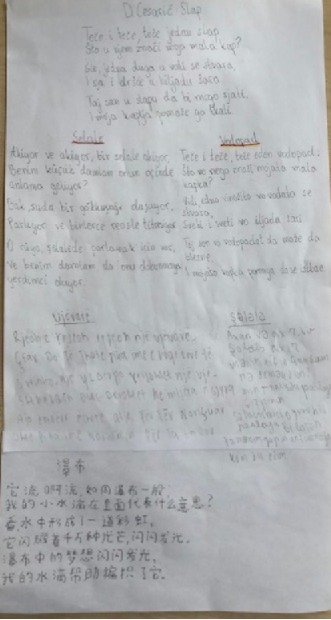
Multilingual Poem Recital – ‘Slap’ by Dobriša Cesarić
In a beautiful celebration of linguistic diversity, MYP3 students, Ariola, Kamal, Annalisa, Zara, Mihaela, Gӧzde and Özgül, recited the poem "Slap" by Croatian poet Dobriša Cesarić to their younger peers in PYP3 and PYP4. This engaging event showcased recitations in a variety of mother languages, including Albanian, Azerbaijani, Chinese, Croatian, English, Macedonian, and Turkish, promoting an appreciation for the beauty of poetry across different cultures.
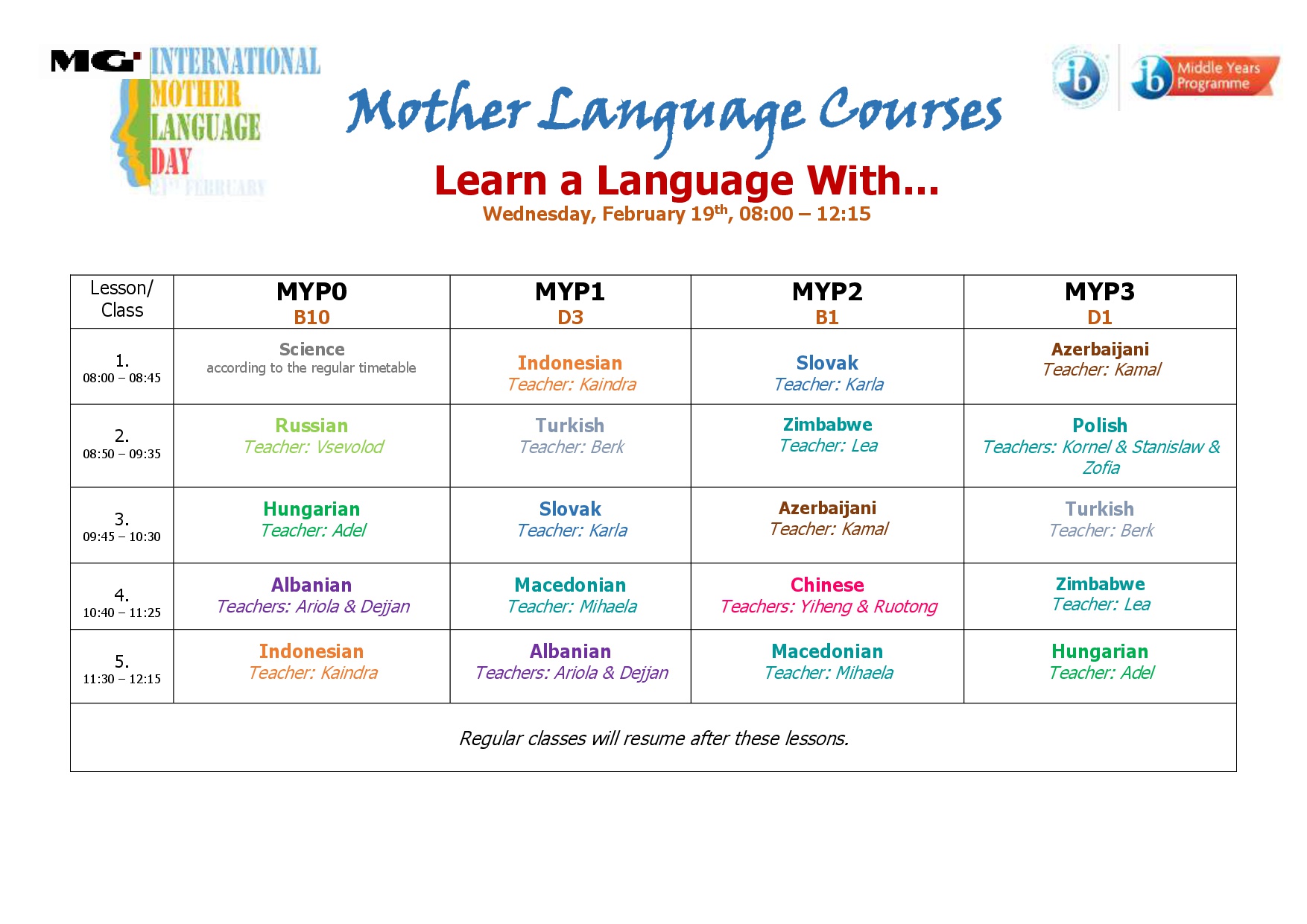
Student-Led Mother Language Courses
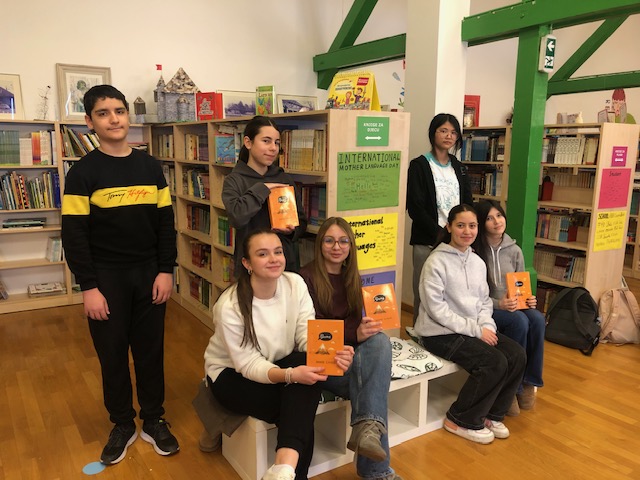
We are grateful to our MYP students – Ariola & Dejjan, Kamal, Ruotong & Yiheng, Adel, Kaindra, Mihaela, Kornel & Stanislaw & Zofia, Vsevolod, Karla, Berk and Lea for teaching us the basics of their mother languages and sharing valuable insights about their respective countries. The students put in a great deal of effort to prepare their lessons and eagerly took on the role of teachers, sharing valuable insights about their mother language and country of origin. They emphasized various cultural and historical elements, including geographical features, architecture, literature, music, dance, gastronomy, and a range of other diverse aspects.
Glagolitic Script
In addition to learning about numerous languages, students had the opportunity to learn the Glagolitic alphabet, the ancient Slavic script.
Chinese Language and Culture
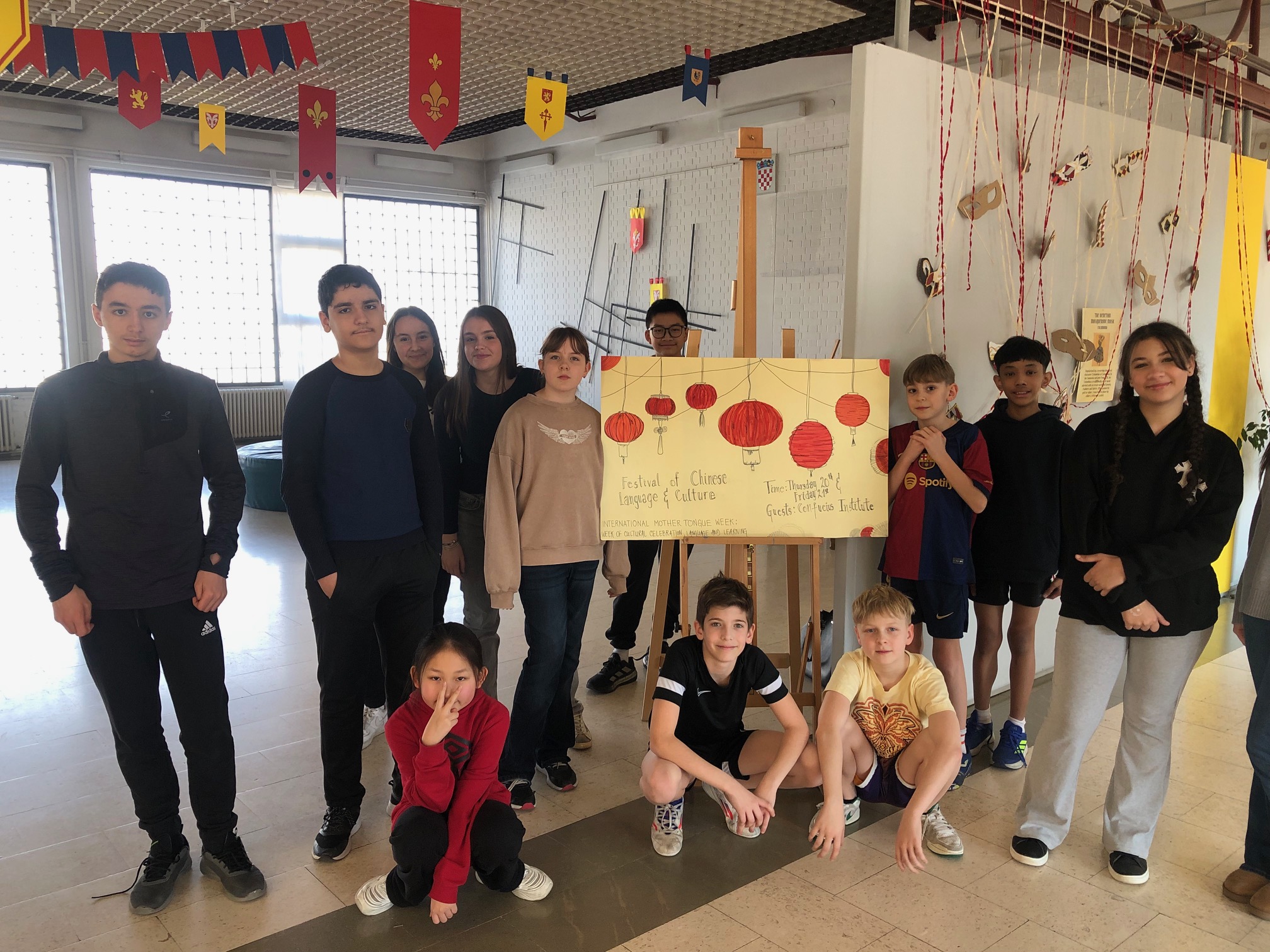
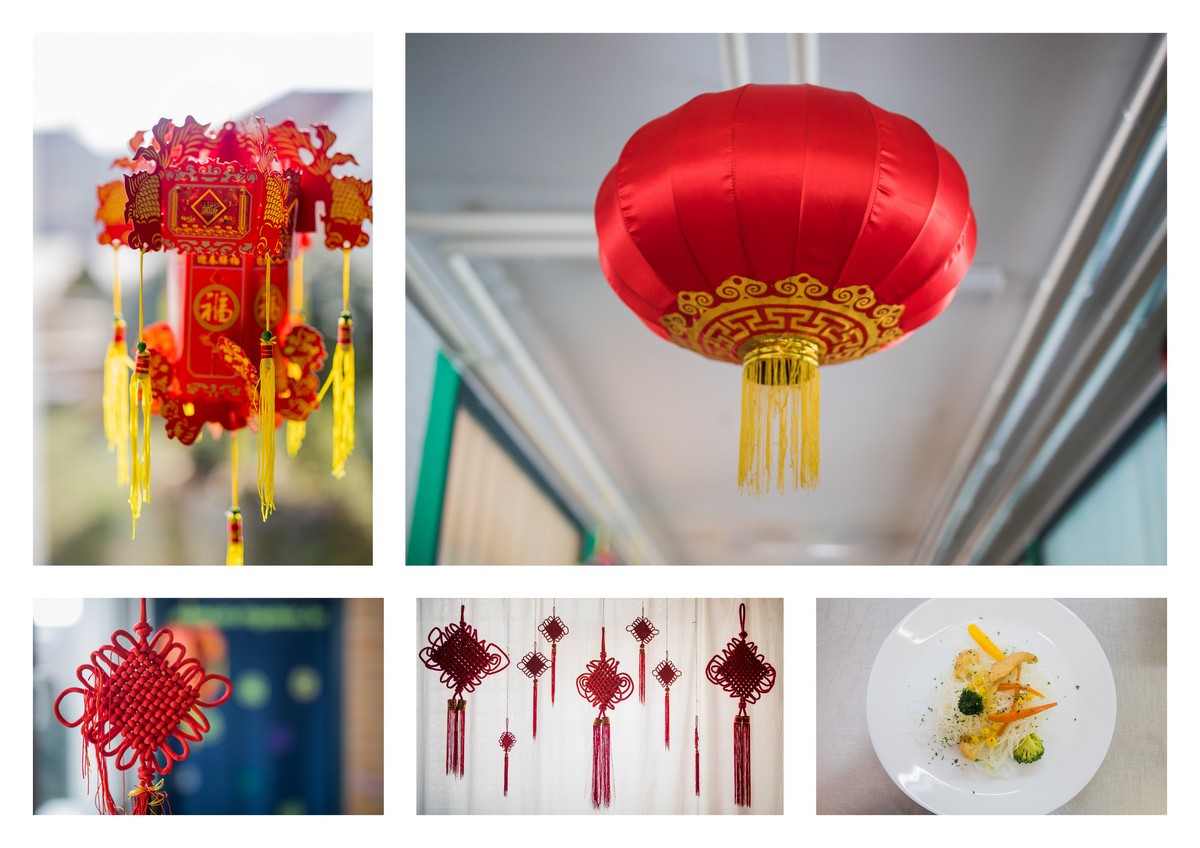
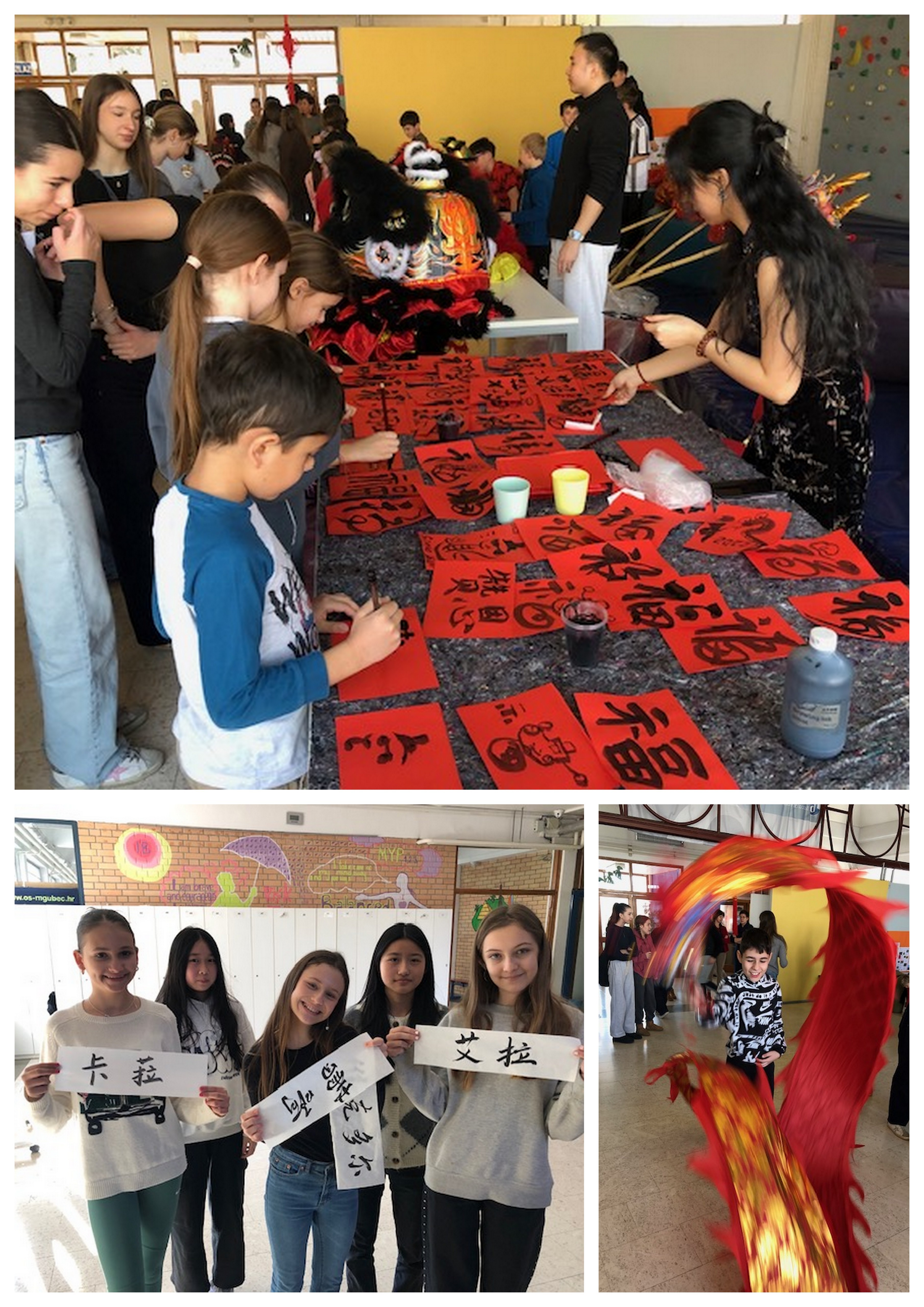
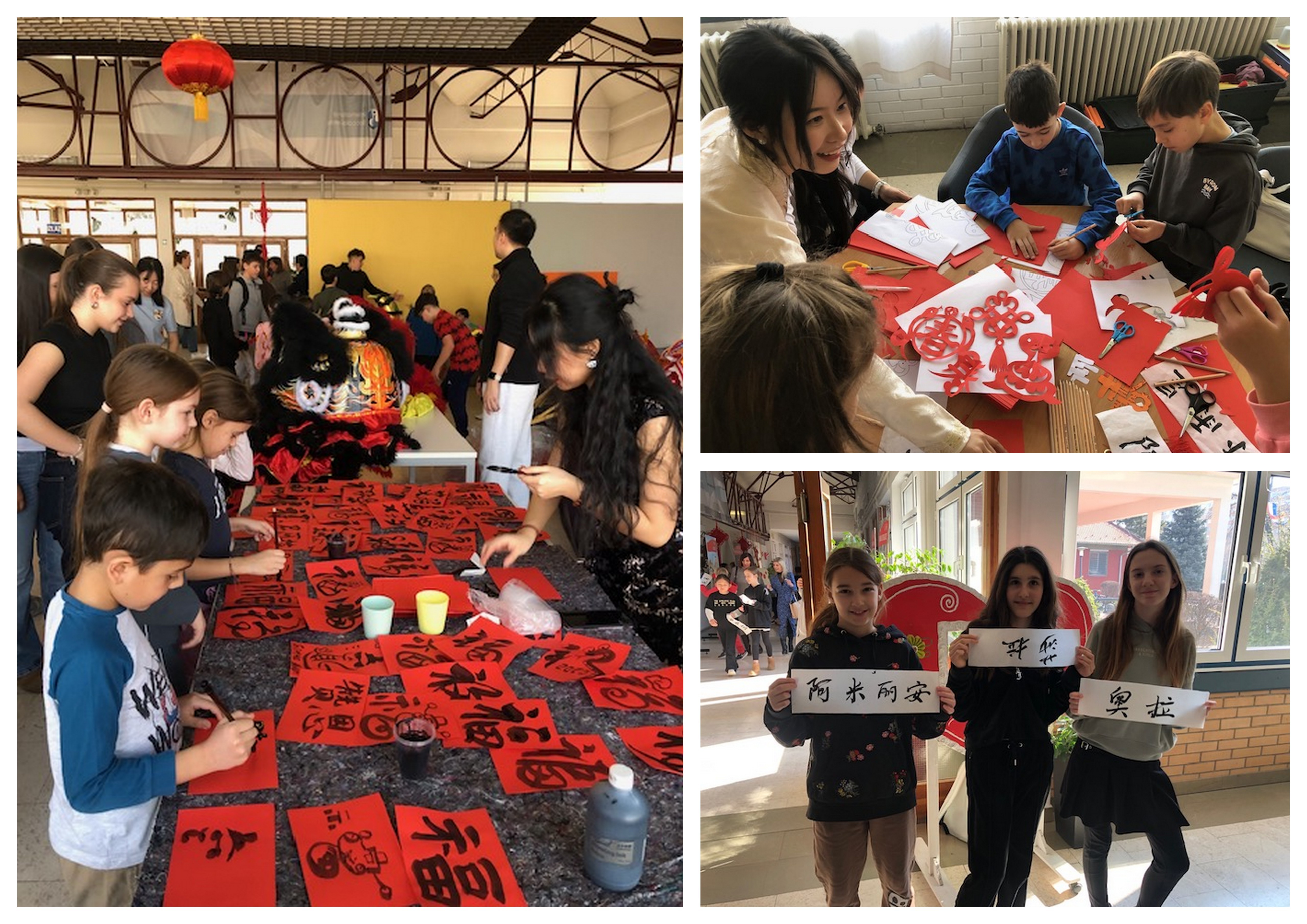
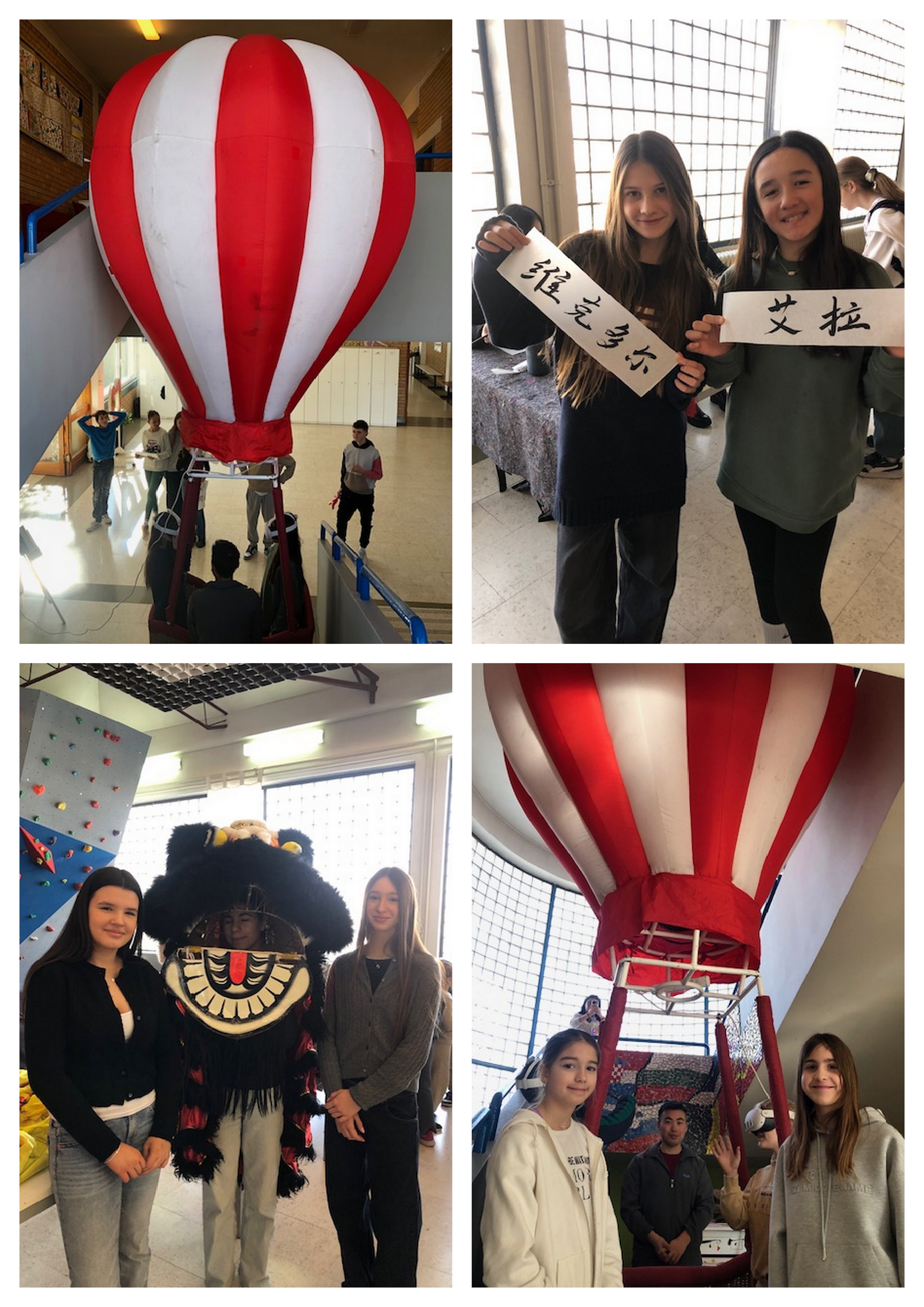
During Mother Language Week, we have the honour of welcoming representatives from the Confucius Institute, who organised a range of engaging activities. Our students had the opportunity to explore Chinese calligraphy, play Chinese chess, study the Chinese language, practice the art of Chinese paper cutting, and even take a virtual reality hot-air balloon flight over Shanghai. This experience provided them with a wonderful opportunity to delve into the rich and profound culture of China, as well as to appreciate the diverse traditions and customs it offers.
2025 is the Year of the Snake according to the Chinese zodiac. The Year of the Snake is often associated with qualities such as wisdom, intuition, and strategic thinking. Wishing you a joyful and healthy Year of the Snake!